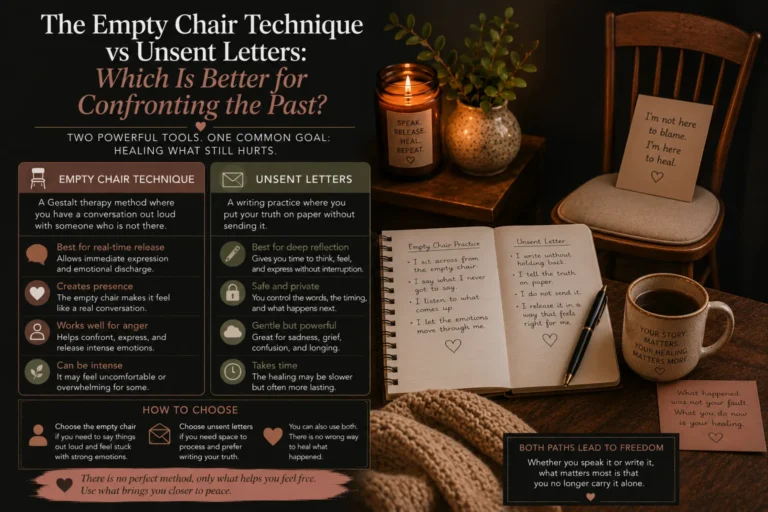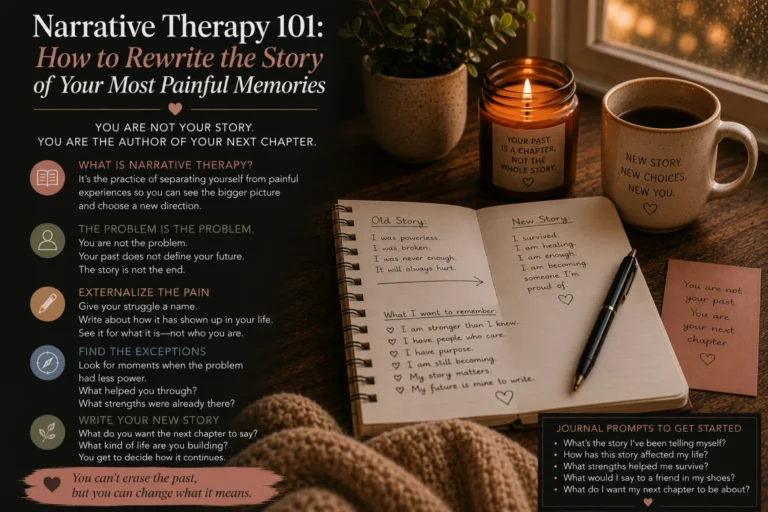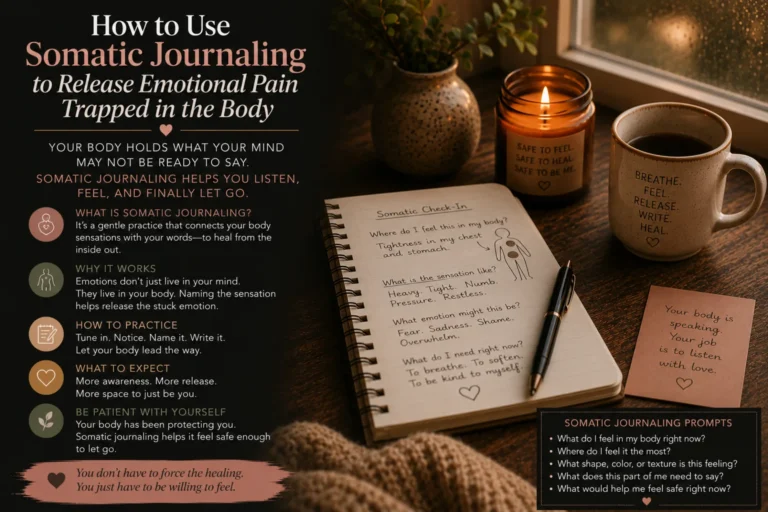
Sometimes the hardest part isn’t knowing what you feel. It’s finding a place to put it. Unsent letters can do that. They give emotions somewhere to go without requiring a conversation, a reply, or even a decision about what happens next.
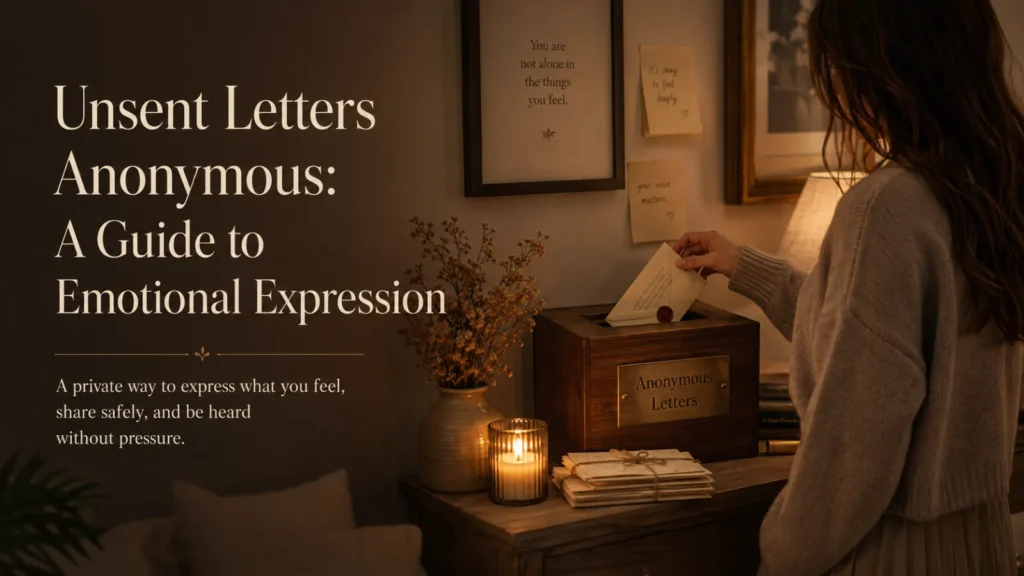
That’s really the point of something like “Unsent Letters Anonymous.” Not a formal program, necessarily. More a private practice of writing what cannot be said out loud, or what should not be sent, at least not now. For people who want expression without confrontation, it can be a surprisingly steady tool.
What “unsent letters anonymous” really means
The phrase can sound a little dramatic at first, but the idea is simple. A person writes a letter they do not plan to send, often about feelings that feel too tangled, too risky, too late, or too unresolved for direct contact. “Anonymous” matters because the writing does not need to perform. It does not need to be fair, polished, diplomatic, or even complete. It just needs to be honest enough to let something move.
An unsent letter can be addressed to a former partner, a parent, a friend, a boss, a younger self, a future self, or someone who has died. It can also be addressed to a version of a relationship that never became what it was supposed to be. That sounds abstract until someone sits down and writes, “I’m angry you asked me to be patient when you had already decided,” and suddenly the problem is not abstract at all.
For many people, the relief comes from saying the unsayable without dealing with another person’s reaction. No interruption. No defensiveness. No pressure to explain it perfectly the first time.
Why this works when talking doesn’t
Direct conversation is valuable. It is not always possible, and it is not always wise. Some situations are unsafe. Some people are unavailable. Some dynamics turn every vulnerable sentence into an argument. In those cases, the need for expression does not disappear just because the audience is gone or unreliable.
Writing creates a little distance. Enough to notice what is actually there.
That distance matters because emotions often arrive as a pile. Anger mixed with grief. Relief mixed with guilt. Love mixed with humiliation. In ordinary life, those feelings can blur together so fast that a person ends up saying nothing, or says one sharp thing that is really covering six quieter things underneath it.
An unsent letter slows that down. It lets the writer separate feeling from action. A person can say, on paper, “I still miss you and I do not want you back,” and both parts can stay on the page without needing to be defended.
It also helps with closure, though closure is one of those words people use as if it arrives wearing a neat little coat. Usually it doesn’t. Usually it looks more like clarity. Less looping. Fewer imaginary arguments in the shower. A better sense of what actually hurt.
For someone who is staring at a blank page, starting the project can be easier if the goal is kept small: say the truest thing first, not the most impressive thing.
What belongs in the letter
More than most people think.
An unsent letter does not have to be calm to be useful. It does not have to sound mature. It does not have to acknowledge every side with perfect balance. This is one place where rawness can be informative. Not because rawness is automatically wise, but because it often reveals what has been edited out in ordinary speech.
Useful things to include:
- what happened, in the writer’s own words
- what hurt, specifically
- what was wanted but never received
- what still feels unresolved
- what the writer wishes they could say now
That said, there is a difference between honesty and spiraling. If a letter turns into ten paragraphs of accusation with no real contact with the writer’s own feelings, it may start to harden rather than release. Sometimes the shift is as simple as moving from “You ruined everything” to “What I still can’t get over is how small I felt around you.” The second sentence usually has more life in it.
This is also where people can get stuck trying to sound reasonable. Slightly unflattering truth: many adults are very good at writing like they are building a case file. Less good at writing one plain sentence about hurt. The page notices.
You do not have to choose the “right” format immediately
Some people write by hand because the body slows down with the pen. Some type because their thoughts come too fast to catch otherwise. Some write notes in a phone because that is the only place honesty slips out before self-consciousness returns. The format does not carry the emotional value by itself.
What matters is whether the form helps the person stay present long enough to say something real.
That is why it can help to think about which format fits the feeling rather than treating one format as more sincere than another. A handwritten letter may suit grief or apology. A typed document may work better for complexity, when the writer needs to rearrange and refine. An unsent text can capture immediacy, especially when the emotion is sharp, conversational, and time-sensitive.
None of those formats is morally superior. They just do different jobs.
What people often expect, and what actually happens
A lot of people expect a breakthrough. One big cry, one powerful paragraph, and then peace. That can happen. More often, the result is quieter.
The first letter may be messy. Defensive, repetitive, flatter than expected, or weirdly numb. That does not mean it failed. Sometimes writing has to clear the obvious debris before anything more precise shows up.
It is common for the first draft to focus on what the other person did wrong. The second draft often shifts toward what the writer lost. The third may reveal what they needed all along. That progression matters because the point is not just discharge. It is understanding.
There is also the odd experience of feeling worse before feeling better. Not because the writing is harmful by default, but because naming pain can make it feel freshly visible. If that happens, it can help to pause and return later rather than forcing a breakthrough. People dealing with trauma, severe distress, or overwhelming emotional reactions may need support beyond journaling, and that is worth taking seriously.
Where people get themselves tangled
There are a few very common ways this practice gets harder than it needs to be.
Trying to write the perfect letter
Perfection is a very efficient way to avoid honesty. If someone is spending twenty minutes choosing the right opening line, chances are they are circling the part they actually do not want to say.
Writing as if the other person will grade it
That imaginary audience changes everything. Suddenly the letter becomes persuasive instead of expressive. It starts arguing its own legitimacy. The whole point is lost.
Confusing writing with a decision
Putting something in a letter does not commit a person to sending it, acting on it, forgiving anyone, reconciling, or cutting contact. It only commits them to seeing what is there.
Stopping at the first strong emotion
Anger is often the first layer because it is energizing. Underneath it may be grief, fear, shame, longing, or disappointment. The writing usually gets more useful when it stays long enough to reach the less dramatic feeling underneath.
There is a fuller look at common mistakes in unsent letters, and it tends to help most when someone keeps ending a session feeling more stirred up than clear.
How to make the writing feel safer and more honest
Structure helps, but not too much. The page should not feel like homework.
A simple approach is to begin with one of these sentence stems:
- What I never said was…
- What still hurts is…
- What I wanted from you was…
- What I understand now is…
- What I’m ready to stop carrying is…
Those openings tend to bypass the polished version of events. They also make room for contradiction, which is often where the honest material lives. A person can feel compassion and anger. They can understand someone and still feel wounded by them. They can miss a relationship and know it needed to end.
It may also help to set a boundary around the session itself. Ten or fifteen minutes. One page. One specific event. That keeps the writing from turning into a marathon of emotional excavation when what is actually needed is one clear pass.
Some people keep the letters. Some tear them up. Some save them and read them months later with a kind of startled recognition. Not because every sentence is wise. Often it is the opposite. The writer gets to see what was true in that moment, even if it was clumsy.
When this becomes more than a one-time release
One letter can help. A repeated practice can show patterns.
If a person writes unsent letters over time, they may start to notice recurring themes: the same apology they never received, the same role they keep falling into, the same instinct to minimize what hurt. That is the kind of insight conversation often misses because daily life moves too fast.
Used gently, this can become less about venting and more about witnessing. Not everything needs to be transformed into a growth exercise, which is honestly a little exhausting. But some people do find that a steady rhythm of writing gives shape to feelings that otherwise leak into sleep, arguments, or silence.
That is where it can help to think about making it a real practice instead of waiting until everything is at a breaking point.
What an unsent letter can do, and what it can’t
It can clarify. It can soften pressure. It can reveal what was never fully admitted. It can help a person speak to themselves with more accuracy. It can even prepare someone for a real conversation later, if that conversation becomes necessary and safe.
What it cannot do is guarantee closure, repair the relationship by itself, or replace professional support when the underlying pain is severe, traumatic, or destabilizing. It also cannot make a person feel ready on command. Some letters end in relief. Some end in exhaustion. Some end with one clean sentence and a lot still unresolved.
That unresolved part is not always failure. Sometimes it is just the honest edge of where someone is.
And honestly, that may be the most useful thing about anonymous, unsent writing. It does not demand a polished ending. It only asks for a little truth, written down before it disappears again.
Put the words somewhere safe
If you're holding feelings you can't say out loud, writing them down can be a real first step. Use a private space to get the anger, grief, guilt, or confusion out of your head and onto the page.